Skip to content

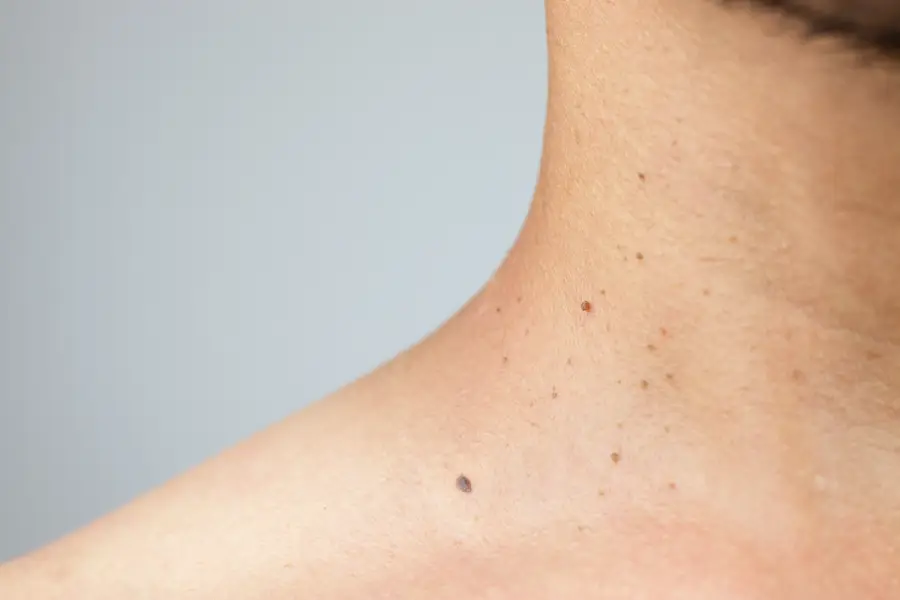
Table of Contents
A necklace clasp catches on the same small bump at the base of your neck every morning. A shirt seam rubs it raw by lunch. The growth is harmless, but the daily snag has worn it thin.
What stops most people from booking is a different worry. Is skin tag removal safe? Nobody wants to trade a tiny bump for a mark that is harder to hide.
Can a skin tag be removed without leaving a mark?
In-office skin tag removal is a shallow procedure, which is why the risk of a lasting mark stays low for most people. A trained provider first confirms the growth is a harmless skin tag, then removes it at the base using a precise method that limits bleeding. The treated spot usually forms a small scab, heals within a week to ten days, and fades without a visible scar, though outcomes vary by size, location, and aftercare.
Is Skin Tag Removal Safe? Here Is the Direct Answer
For most healthy adults, yes, when a trained provider handles it in a clinical setting. Skin tags, clinically called acrochordons, are benign growths attached by a narrow stalk. Nothing anchors them into deeper tissue, so removal stays shallow and quick.
Safety comes down to two variables that matter more than technique: who performs the removal and whether anyone first confirmed that the growth was actually a skin tag. Get both right and the risk stays low. Skip either, and the odds shift, sometimes in ways that are hard to correct later.
Why a Provider Should Confirm It’s Actually a Skin Tag First
Not every small growth is a skin tag, which is the most important safety precaution here. Moles, seborrheic keratoses, warts, and occasionally lesions requiring medical attention can all resemble one to the untrained eye. Removing something at home bypasses the initial inspection by a qualified individual.
At Odomí Medical Spa, the appointment starts with an examination. Our practitioner evaluates the area, confirms the growths are skin tags, and then discusses the right approach for that location.
Have any growth checked promptly if it changes color, bleeds on its own, grows quickly, or has irregular borders.
What Makes In-Office Removal Safer Than DIY Methods
At-home removal carries risks a clinical setting is built to prevent. Cutting a tag with scissors, tying it off with thread, using freezing devices, or applying removal creams can cause bleeding that is hard to stop, partial removal, and avoidable marks. Sterile tools reduce contamination, a provider can manage bleeding on the spot, and the site is prepared properly rather than improvised at home.
Our skin tag removal in Savannah, GA uses electrocautery for skin tags to remove the growth and seal the treated site at once. Sealing as it goes keeps bleeding to a minimum and the wound small. Topical numbing is available, and most patients call the sensation brief.
Side Effects of Skin Tag Removal: What’s Common and What Isn’t
Skin tag removal side effects are usually minor and short-lived:
- Mild redness around the treated point
- Minor swelling or tenderness for a day or two
- A small scab that forms and falls away on its own
Healing typically runs 7 to 10 days, though larger tags and high-friction spots take longer. The treated area may also appear temporarily lighter or darker than the surrounding skin, more noticeable in deeper skin tones, though this usually fades.
Skin tag removal infection risk is uncommon but not zero, which is why aftercare instructions exist. Keeping the area clean and dry for the first 24 to 48 hours and leaving the scab alone reduce it considerably. If you notice anything unusual during healing or have questions about caring for the treated area, contact us for guidance.
Will Skin Tag Removal Leave a Scar?
Noticeable skin tag removal scarring is uncommon after professional treatment, though any procedure that breaks the skin carries some risk of a mark. Precision keeps that small: a tighter treated area gives the skin less to repair. A few things raise the odds:
- Larger tags or those with a broader base
- Locations under constant friction, like the neckline or underarms
- Picking at the scab before it is ready
- A personal history of keloids or thick, raised scars
What lowers the odds sits largely in your hands afterward. Leave the site alone, keep it clean, and shield the healed skin from sun while new tissue settles. Anyone who has formed keloids should say so at the consultation.
Who Should Talk to a Provider Before Booking
Most generally healthy adults with bothersome skin tags are reasonable candidates, especially when those tags catch on clothing, become irritated, or affect how comfortable you feel in your skin. A few details are worth raising beforehand:
- Blood thinners or a known bleeding disorder
- Diabetes or any condition that slows wound healing
- Pregnancy
- An active skin infection at or near the site
- A history of keloid scarring
Tags near the eyelid or other delicate areas call for extra care. None of these automatically disqualify you, and that conversation is what separates safe skin tag removal that Savannah patients can rely on from a rushed procedure.
Common Questions About Skin Tag Removal Safety
Does it hurt? Most patients tolerate it well, and topical numbing can be applied first.
Will the skin tag grow back? A removed tag does not regrow, though new ones can form elsewhere due to genetics, hormones, or friction.
How soon can I get back to normal activity? Most people go about their day immediately, pausing only to sweat heavily for a day.
What should I watch for afterward? Spreading redness, warmth, drainage, or pain that climbs rather than eases warrants a call to your provider.
What This Means Before You Book
Most healthy adults can have their skin tags removed safely if a qualified provider confirms the growths and performs the removal under clinical supervision. Side effects are typically limited to brief redness, swelling, and a small scab, and scarring is uncommon with proper technique and aftercare.
The reasonable next step is an evaluation, not a purchase. A short consultation confirms what you are dealing with, rules out anything that needs different care, and gives you a clear picture of the healing process before you decide.
Worried about scarring or infection? Our expert team ensures safe, precise removal. Call Odomi Medical Spa in Savannah, GA, to book your consultation today!